
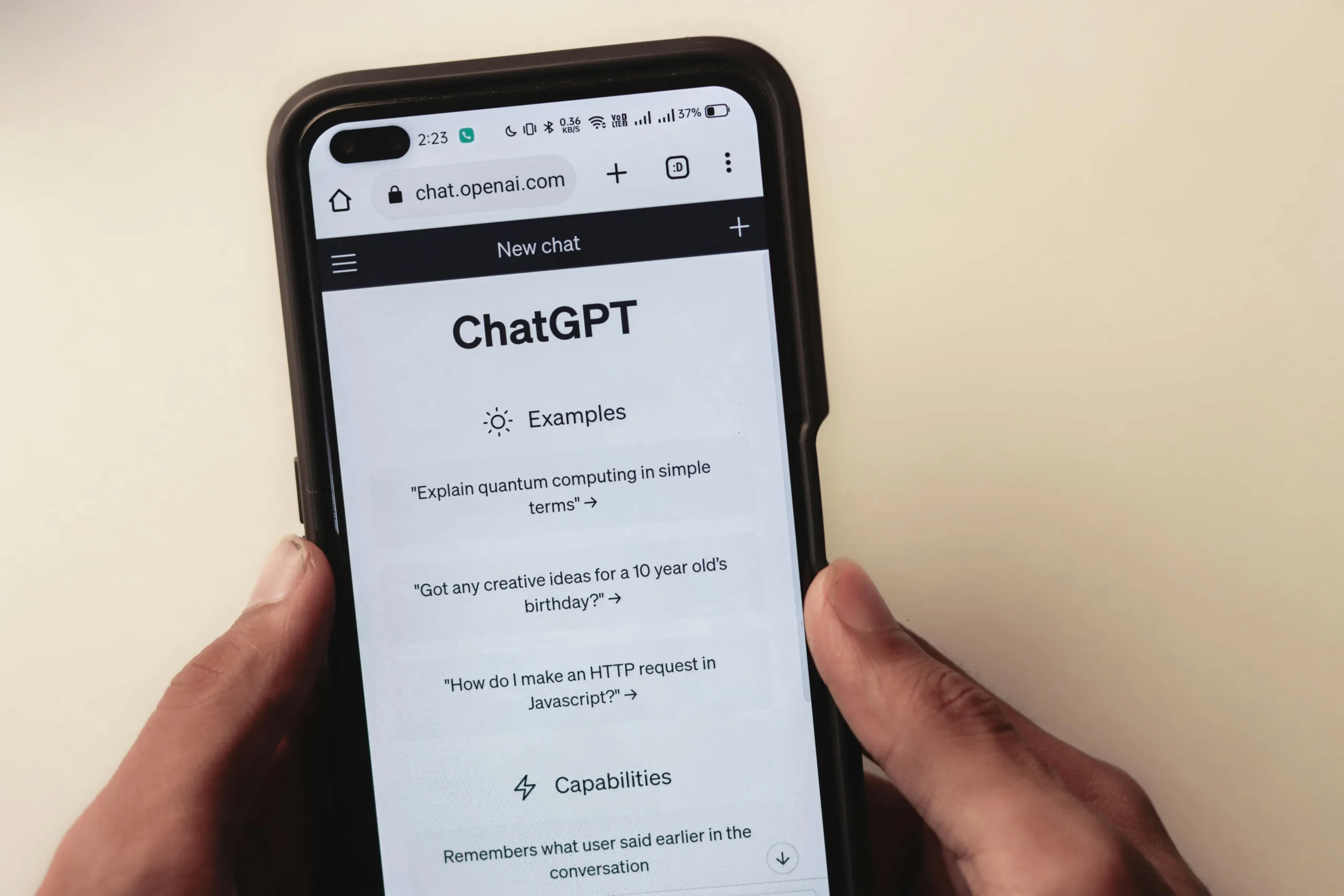
There’s a lot of noise right now about “AI SEO” and “Generative Engine Optimization.” Agencies are selling new services. Gurus are pushing courses. Everyone’s acting like the rules have completely changed. They haven’t. Here’s what’s actually happening and what it means for your business.
The Simple Truth About How AI Search Works
Let’s cut through the complexity. AI search tools like ChatGPT, Google AI Overviews, and Perplexity don’t have some secret database of websites they’ve independently evaluated. They pull from existing search engine indexes and then use AI to summarize what they find.
ChatGPT uses Bing’s index. If your website isn’t indexed by Bing, it won’t show up in ChatGPT. Google’s AI Overviews use Google’s existing index. If you’re not ranking in Google’s top results, you’re probably not getting cited in AI Overviews either.
That’s it. That’s the foundation of “AI SEO.”
Studies confirm this. Research shows that ChatGPT’s search results are roughly 73% similar to Bing’s results for the same queries. Analysis of Google AI Overviews found that 97% of cited sources come from pages already ranking in the top 20 organic results.
The AI isn’t finding hidden gems. It’s reading the same pages that already rank well and packaging them differently.
How ChatGPT Search Actually Works
When you ask ChatGPT a question, here’s what happens behind the scenes:
ChatGPT sends a search query to Bing’s index. Bing returns 20-30 top results. ChatGPT’s AI reads through those pages, pulls out relevant information, and synthesizes an answer. It then cites the sources it used.
The ranking factors? Largely the same ones Bing already uses. Authority, relevance, freshness, technical health. ChatGPT just applies its own logic to reorder and present the information conversationally.
If you have a Bing indexing problem—your site is penalized, blocked, or simply not indexed—you won’t appear in ChatGPT search results. One SEO tested this by intentionally triggering a Bing penalty on a site. It immediately disappeared from ChatGPT results too.
How Google AI Overviews Work
Google’s approach is even more straightforward. AI Overviews pull from the same index that powers regular Google search. The AI reads top-ranking content and generates a summary with citations.
Google has been explicit about this. Their official guidance says there’s no special formula for AI Overviews. No secret optimization required. The same fundamentals that help you rank in traditional search help you appear in AI-generated answers.
Focus on quality content. Make sure your site is technically healthy. Build authority. That advice hasn’t changed.
What’s Actually Different (And What Isn’t)
Here’s where the nuance comes in. While the fundamentals haven’t changed, there are some shifts in emphasis worth understanding.
Content Structure Matters More
AI reads at the passage level, not just the page level. It’s looking for specific paragraphs or sections that directly answer a question. Clear headings, well-organized content, and direct answers to common questions make it easier for AI to pull and cite your information.
Q&A formats, how-to guides with numbered steps, and content with clear takeaways tend to perform well. Not because AI requires special formatting—but because clear content has always been better content.
Brand Mentions Work Like Backlinks
For AI tools, mentions of your brand across the web function similarly to how backlinks work for traditional search. When your business gets referenced on Reddit, in industry publications, on review sites, or in news articles, it signals trustworthiness to AI systems.
This isn’t new either. Brand authority has always mattered. AI just weighs it differently—looking at the breadth of mentions, not just the links.
Freshness Is Prioritized
AI tools lean toward recent content, especially for topics that change frequently. Keeping your content updated with current information, recent statistics, and fresh examples helps.
Again, this aligns with what’s always been good SEO practice. Stale content has never ranked as well as current, maintained content.
Being Indexed by Bing Actually Matters Now
For years, most businesses ignored Bing because Google dominated search traffic. With ChatGPT pulling from Bing’s index, that’s changed. You should verify your site is properly indexed by Bing and submit your sitemap through Bing Webmaster Tools.
This takes about ten minutes and ensures you’re eligible to appear in ChatGPT results.
What Hasn’t Changed
Here’s the bigger list—all the fundamentals that remain exactly the same:
Technical SEO still matters. Your site needs to be crawlable, fast, mobile-friendly, and properly indexed.
Quality content still wins. Thin, generic content doesn’t suddenly perform better because AI is involved. If anything, AI makes quality more important because it’s synthesizing answers from the best available sources.
Authority and expertise still count. E-E-A-T (Experience, Expertise, Authoritativeness, Trustworthiness) factors that Google has emphasized for years still apply. AI systems are trying to surface trustworthy information, not just any information.
Backlinks still build authority. Links from reputable sites still signal that your content is worth referencing.
User experience still matters. Pages that are hard to read, slow to load, or frustrating to navigate still underperform.
The “AI SEO” Industry Is Overcomplicating This
There’s a reason you’re seeing so many new “AI SEO” and “GEO” services pop up. It’s a marketing opportunity. Agencies can repackage existing SEO services with new terminology and charge premium rates for “cutting-edge” optimization.
But when you strip away the jargon, most of what they’re selling is the same work that’s always driven SEO results. Content creation. Technical optimization. Link building. Brand development.
The businesses that succeed in AI search are the same ones that were already doing SEO well. They have authoritative websites, quality content, strong brand presence, and solid technical foundations.
What You Should Actually Do
If you’re wondering how to “optimize for AI,” here’s the practical checklist:
First, make sure you’re indexed by Bing. Set up Bing Webmaster Tools, submit your sitemap, and verify your important pages are being crawled. This takes minimal effort and ensures you’re eligible for ChatGPT visibility.
Second, keep doing good SEO. Create helpful content that answers real questions. Maintain your technical health. Build authoritative backlinks. None of this has changed.
Third, structure your content clearly. Use descriptive headings. Answer questions directly. Break complex information into scannable formats. Make it easy for both humans and AI to find what they’re looking for.
Fourth, build brand presence beyond your website. Get mentioned in industry publications. Earn reviews on relevant platforms. Participate in your industry’s conversations. The more your brand is referenced across trustworthy sources, the more likely AI tools are to surface you.
Fifth, keep your content fresh. Update older content with current information. Add recent examples and statistics. Show that your content is actively maintained.
That’s the playbook. It’s not revolutionary. It’s not complicated. It’s just good marketing.
The Bottom Line
AI search isn’t a new game with new rules. It’s the same game with a different scoreboard.
The websites winning in AI search are the ones that were already winning in traditional search. They’ve built authority over time. They create genuinely useful content. They maintain their technical foundations. They’ve established brand presence across the web.
If your SEO strategy was working before, it will keep working. If it wasn’t, AI search won’t magically fix that.
Don’t let anyone convince you that you need to throw out everything you know and start over with some special “AI optimization” approach. The fundamentals are the fundamentals. They’ve always worked, and they still do.
The only real change? Now you need to pay attention to Bing.
MCZ Productions provides SEO services as part of our Digital Bundle for businesses throughout the Chicago area. We focus on the fundamentals that actually drive results—not chasing trends or overcomplicating simple concepts. If your website isn’t showing up where your customers are searching, let’s figure out why.
Related reading
- SEO Services: What Business Owners Actually Need to Know
- Website Optimization: The Technical Checklist You Need
Get MCZ Productions articles in your Google results.